

Pregnancy

Pregnancy: Understanding Maternal-Fetal Synergy, Metabolic Demand, and Gestational Optimization

Pregnancy is a profound physiological state characterized by the growth and development of an embryo or fetus within the female body. Far from being a static condition, pregnancy is a high-performance metabolic event where every maternal system—from the heart to the liver—undergoes a complete recalibration to support the creation of new life. At Bio Research Partner, we view pregnancy as a critical window of “biological opportunity.” Our sophisticated, integrative approach focuses on optimizing the maternal environment, ensuring that both the mother and the developing fetus have the precise biochemical resources necessary for a resilient, healthy outcome.

What is Pregnancy?

Pregnancy begins at conception and typically lasts approximately 40 weeks, divided into three distinct trimesters. During this time, the female body develops a new, temporary organ—the placenta—which serves as the metabolic interface between mother and child. This period is governed by a massive surge in hormones, specifically human chorionic gonadotropin (hCG), progesterone, and estrogen.

Common Physiological Adaptations Include:

  • Cardiovascular Expansion: A 50% increase in blood volume and a rise in cardiac output to ensure adequate placental perfusion.
  • Metabolic Reprogramming: Shifts in insulin sensitivity to ensure a constant supply of glucose and nutrients to the growing fetus.
  • Respiratory Adjustment: An increase in “tidal volume” to meet the higher oxygen demands of maternal and fetal tissues.
  • Immunological Modulation: A strategic “dampening” of certain immune responses to prevent the mother’s body from rejecting the fetal tissue.
  • Renal Hyper-filtration: Increased kidney activity to process the metabolic waste of two distinct biological systems.

At Bio Research Partner, we evaluate pregnancy as a systemic “stress test,” focusing on metabolic and nutritional optimization to ensure the mother’s body remains resilient throughout the journey.

Causes and Risk Factors for Complications

A healthy pregnancy relies on the mother’s ability to meet the exponential nutrient and energy demands of the fetus without depleting her own biological stores.

Risk Factors for Gestational Stress Include:

  • Pre-existing Micronutrient Deficiencies: Low levels of choline, folate, and iron that can impact fetal neurological development or maternal energy.
  • Glycemic Instability: Poor blood sugar regulation that increases the risk of gestational diabetes and macrosomia (large birth weight).
  • Vascular Vulnerability: Issues with arterial elasticity that can lead to pregnancy-induced hypertension or preeclampsia.
  • Chronic Inflammatory Load: High systemic inflammation that can interfere with healthy placental attachment and function.
  • Advanced Maternal Age: Higher baseline risks for chromosomal shifts and metabolic challenges that require more intensive monitoring.
  • Environmental Toxicants: Exposure to heavy metals or plastics that can cross the placental barrier and affect fetal programming.

Our approach integrates advanced prenatal screening with metabolic mapping to identify and mitigate these risks before they impact the pregnancy.

Symptoms and Physiological Markers of Pregnancy

While pregnancy is a natural process, the rapid shifts in chemistry produce a wide range of systemic symptoms. At Bio Research Partner, we monitor these markers to ensure they remain within a healthy functional range:

  • First Trimester Nausea: Often linked to the rapid rise in hCG and shifts in liver detoxification pathways.
  • Gestational Fatigue: A result of the massive energy divertment toward the developing placenta and fetal organs.
  • Structural Shifts: Softening of the ligaments (due to the hormone relaxin) which can lead to pelvic and back discomfort.
  • Cognitive Changes: “Pregnancy brain” or minor memory lapses often linked to the prioritization of DHA and fats for fetal brain growth.
  • Vascular Changes: Increased sensitivity to heat, mild swelling of the extremities, and changes in skin pigmentation (melasma).
  • Digestive Slowdown: Progesterone-induced relaxation of smooth muscle, which can lead to heartburn and constipation.

Recognizing the difference between “normal” gestational discomfort and clinical “warning signs” (like sudden vision changes or severe swelling) is vital for maternal safety.

Diagnosis and Testing

At Bio Research Partner, we move beyond basic prenatal care to provide a “High-Resolution” view of the pregnancy environment.

Diagnostic Workup May Include:

  • Precision Nutrient Profiling: Measuring levels of Folate (as 5-MTHF), B12, Vitamin D, and Iron to ensure fetal “building blocks” are abundant.
  • Continuous Glucose Monitoring (CGM): Occasionally used to track how specific foods affect blood sugar levels in real-time.
  • Non-Invasive Prenatal Testing (NIPT): Advanced DNA screening to assess fetal chromosomal health with minimal risk.
  • Placental Hemodynamic Assessment: Utilizing Doppler ultrasound to ensure blood flow through the umbilical cord is optimal.
  • Thyroid and Adrenal Surveillance: Monitoring the “metabolic engine” to prevent gestational hypothyroidism and maternal exhaustion.

How Pregnancy Affects the Whole Body

Pregnancy is a temporary but total reorganization of the female body’s biological priorities:

  • The Brain: Undergoes structural remodeling to enhance maternal-infant bonding and protective instincts.
  • The Heart: Works harder than at any other time in life; maintaining arterial flexibility is paramount for preventing long-term cardiac issues.
  • The Skeletal System: Acts as a mineral reservoir; if dietary intake is low, the body will “leach” calcium from the mother’s bones for the fetus.
  • The Microbiome: Shifts significantly during pregnancy to help the mother harvest more energy from food and prepare for the infant’s first bacterial exposure.

Treatment and Management

Our management strategy is built on “Maternal-Fetal Optimization”—supporting the mother’s health to ensure the best start for the child.

  1. Precision Prenatal Nutrition
  • Customized supplementation protocols using methylated vitamins and high-purity Omega-3s to support fetal neurogenesis.
  • “Blood Sugar Balancing” nutrition plans to maintain steady energy and prevent gestational metabolic issues.
  1. Systemic Support and Stabilization
  • Utilizing magnesium and botanical supports to manage sleep, muscle tension, and vascular health safely.
  • Stress-mitigation strategies to lower the fetal exposure to maternal cortisol (the stress hormone).
  1. Integrative Preparation for Labor and Recovery
  • Pelvic floor optimization and movement protocols to prepare the body for the physical demands of childbirth.
  • Developing a “Postpartum Transition Plan” during the third trimester to ensure immediate recovery support.

Pregnancy and the Hepatic Connection

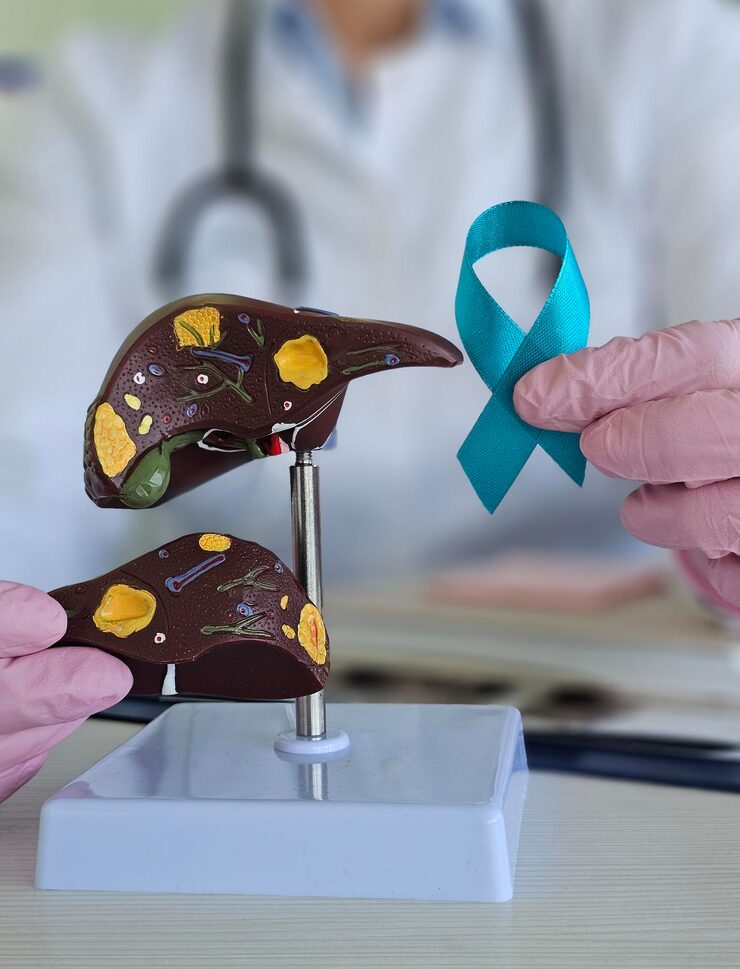
During pregnancy, the liver must process not only the mother’s hormones but also the metabolic by-products of the developing fetus. A “congested” liver can contribute to more severe morning sickness and increases the risk of gestational cholestasis (a liver-related pregnancy complication). At Bio Research Partner, our pregnancy protocols include gentle hepatic support to ensure your “internal filter” stays clear, allowing for better nutrient delivery and more efficient waste removal for you and your baby.

Take Control of Your Pregnancy Journey

Pregnancy is a remarkable biological feat that deserves a sophisticated level of care. You aren’t just “expecting”—your body is performing an elite-level metabolic task. Bio Research Partner provides the multidisciplinary expertise needed to ensure you navigate this journey with vitality and peace of mind.

Call (305) 512-4411 or book your consultation at bioresearchpartner.com today to learn about our integrated approach to pregnancy and maternal health.

Optimize your biological legacy—precision care is the foundation of a healthy beginning.

Become a BioResearch Partner

Together, we can unlock the mysteries of long COVID and work toward a future where recovery is complete, and lasting health is within reach.