What Are Pediatric Vaccines?
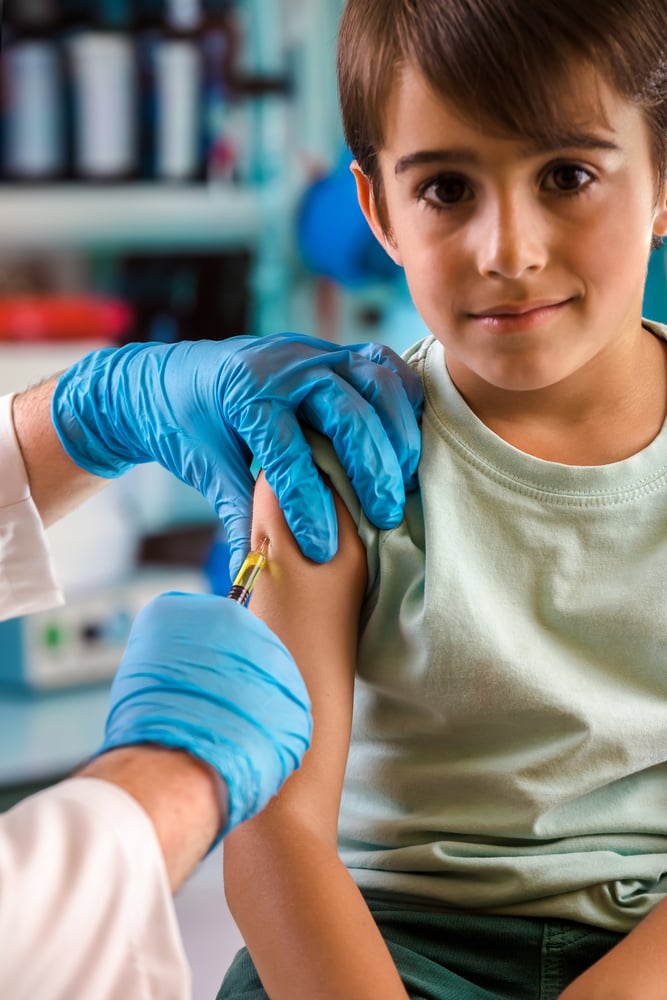
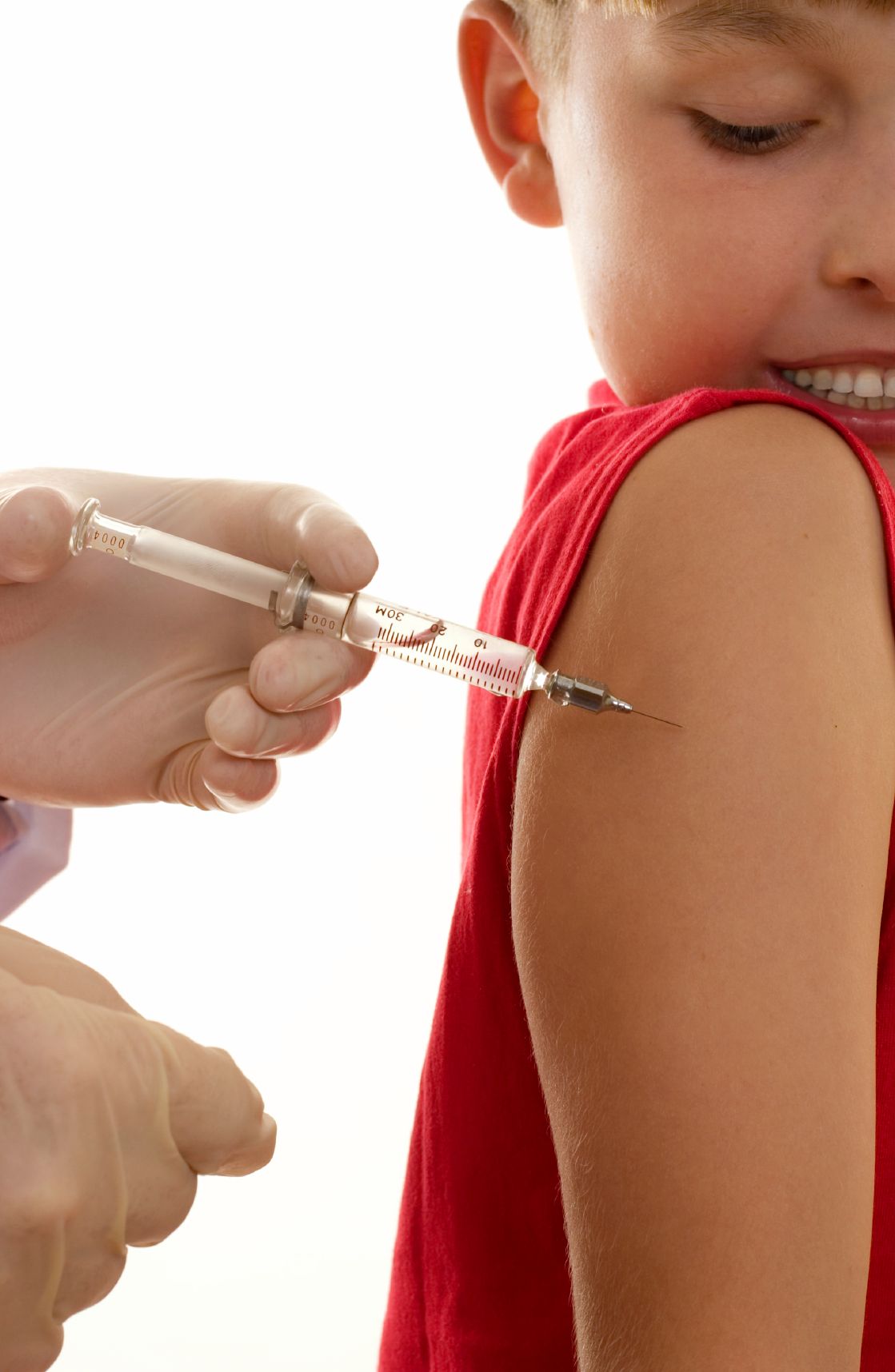
Pediatric vaccines are immunizations given to children and adolescents to protect them from infectious diseases that can cause serious illness, long-term complications, or death. Childhood vaccines are one of the greatest achievements in modern medicine, drastically reducing — and in some cases nearly eliminating — diseases such as polio, measles, and diphtheria.
Vaccines work by safely introducing a weakened, killed, or modified part of a germ (or instructions for the immune system to recognize it) into the body. This trains the immune system to recognize and fight the real infection if the child is ever exposed in the future.
At BioResearch Partner, we are committed to advancing pediatric vaccine research, ensuring that immunizations remain safe, effective, and accessible for children of all ages.
Why Pediatric Vaccines Are Important
Vaccinating children is not only about protecting the individual child but also about safeguarding families, schools, and entire communities.
Benefits of pediatric vaccines include:
- Preventing serious illness and complications like pneumonia, meningitis, or sepsis.
- Reducing childhood deaths from preventable diseases.
- Protecting vulnerable groups such as newborns, elderly, or immunocompromised individuals.
- Contributing to herd immunity, slowing the spread of disease within the community.
- Lowering healthcare costs by avoiding expensive treatments and hospitalizations.
Without vaccines, diseases that were once controlled could quickly return and spread.
Common Pediatric Vaccines
Children typically receive multiple vaccines throughout infancy, childhood, and adolescence. Many are given in combination to reduce the number of shots.
Key Pediatric Vaccines Include:
- Hepatitis B (HepB) – protects against liver infection.
- Rotavirus (RV) – prevents severe diarrhea and dehydration in infants.
- Diphtheria, Tetanus, and Pertussis (DTaP/Tdap) – protects against life-threatening bacterial infections.
- Haemophilus influenzae type b (Hib) – prevents meningitis, pneumonia, and throat infections.
- Polio (IPV) – protects against paralysis-causing poliovirus.
- Measles, Mumps, and Rubella (MMR) – prevents three viral illnesses with severe complications.
- Varicella (chickenpox) – reduces risk of severe skin and neurological complications.
- Pneumococcal (PCV13/PCV15) – prevents meningitis, pneumonia, and ear infections.
- Influenza vaccine (annual flu shot) – reduces seasonal flu complications.
- Human Papillomavirus (HPV) – prevents cervical and other cancers.
- COVID-19 vaccines – protect children against SARS-CoV-2 and its variants.
Following the CDC’s recommended vaccination schedule ensures children are protected at the right ages for maximum effectiveness.