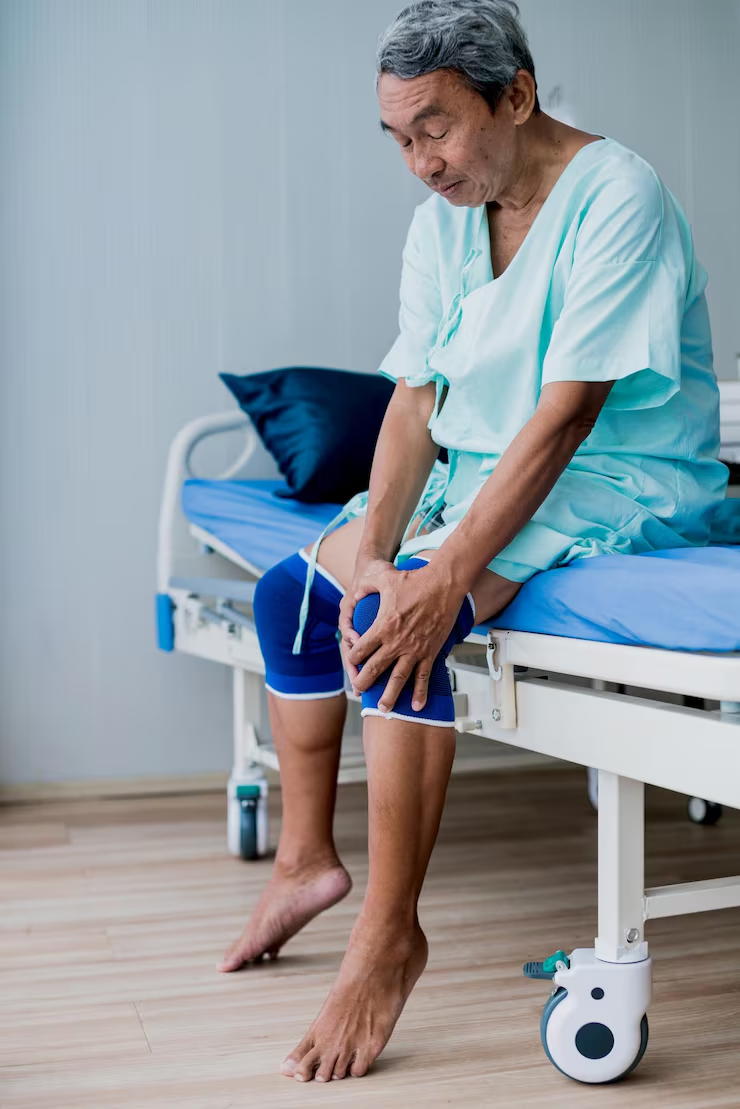
What Is Osteoarthritis of the Knee?
Knee osteoarthritis is a degenerative “wear-and-tear” condition where the articular cartilage loses its elasticity and gradually wears away. Without this shock absorber, the joint space narrows, and the body may develop bone spurs (osteophytes) as a compensatory response. This condition can affect one or both knees and often impacts the three compartments of the knee: the medial (inner), lateral (outer), and patellofemoral (kneecap) areas.
Common Impact on Daily Life Includes:
- Difficulty climbing stairs or rising from a seated position
- Pain that worsens after prolonged standing or walking
- A “locking” or “buckling” sensation in the knee joint
- Increased stiffness after periods of inactivity, such as sleeping or sitting
At Bio Research Partner, we evaluate knee osteoarthritis as a multifactorial condition, addressing both mechanical alignment and systemic contributors to develop personalized treatment plans.
Causes and Risk Factors
Knee OA arises from a complex interaction of mechanical stress and the body’s internal biological environment. Identifying these drivers is key to effective management.
Risk Factors Include:
- Age-Related Changes: Gradual reduction in the cartilage’s ability to heal over time.
- Previous Knee Trauma: History of meniscus tears, ligament injuries (ACL/MCL), or fractures.
- Repetitive Stress: Occupational or athletic activities involving heavy lifting or frequent kneeling.
- Obesity: Excess weight increases the mechanical load on the joint and promotes systemic inflammation.
- Genetic Predisposition: Family history of joint laxity or structural abnormalities.
- Hormonal and Metabolic Factors: Imbalances in thyroid or growth hormones that affect tissue repair.
Our approach integrates both orthopedic and systemic factors to optimize patient outcomes.