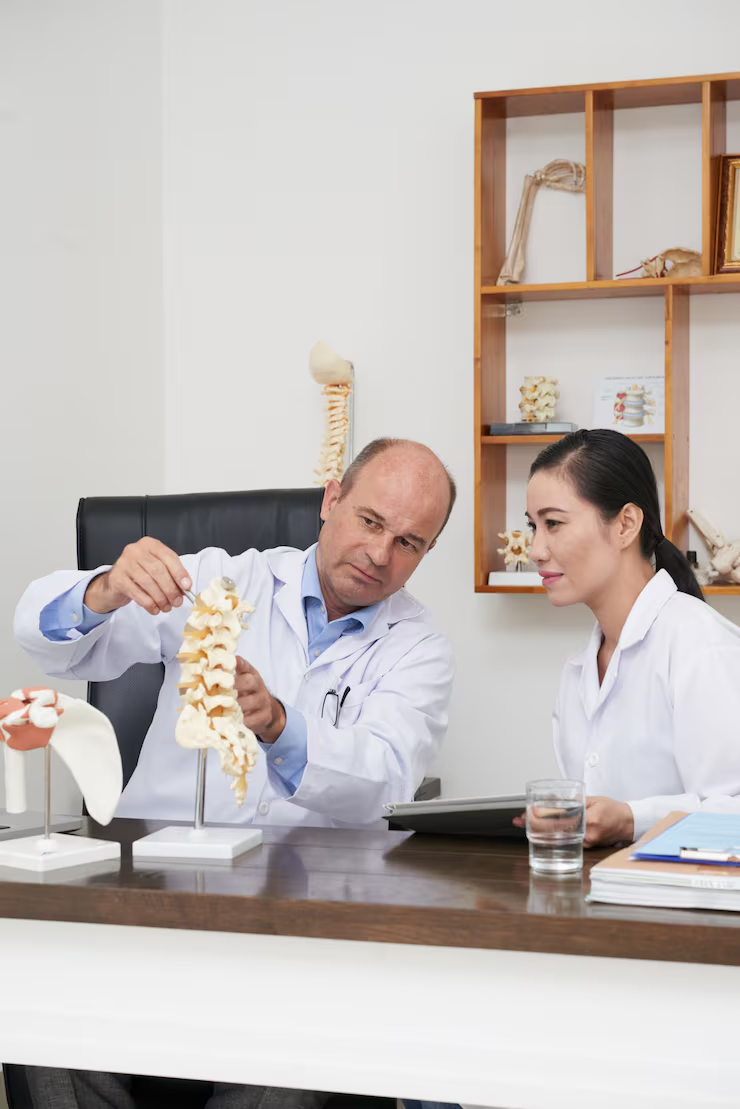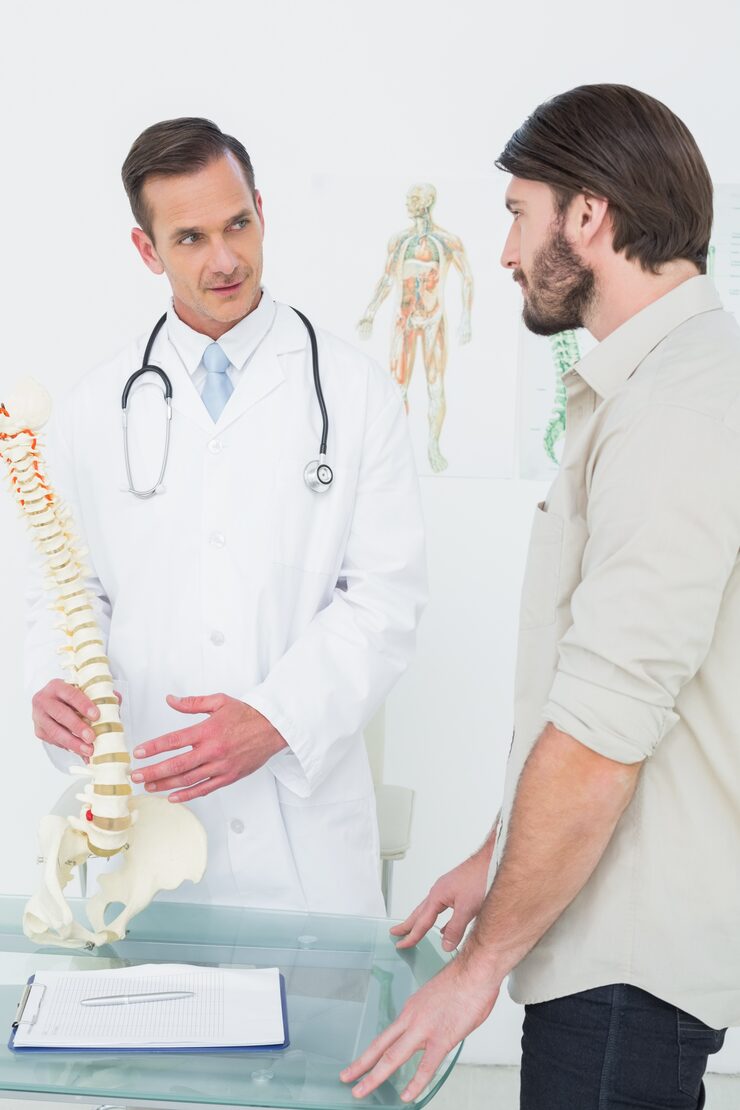
What is Orthopedics?
Orthopedics covers a broad spectrum of conditions affecting the body’s structural framework. This field has evolved from simple bracing and casting to sophisticated surgical interventions and regenerative therapies. Orthopedic health is generally categorized into two main areas: acute trauma, such as fractures and dislocations, and chronic degenerative conditions, which develop as the body’s regenerative capacity slows down.
Common Orthopedic Conditions Include:
- Osteoarthritis: The breakdown of joint cartilage and underlying bone, leading to pain and stiffness.
- Fractures: Breaks in the bone resulting from high-force impact or weakened bone density.
- Degenerative Disc Disease: Wear and tear on the spinal discs that can cause localized or radiating pain.
- Osteoporosis: A systemic condition characterized by decreased bone mass and increased fragility.
- Joint Instability: Chronic looseness in the shoulder, knee, or ankle often following ligamentous injury.
- Congenital Deformities: Structural issues present from birth, such as scoliosis or clubfoot.
At Bio Research Partner, we evaluate orthopedic health as a dynamic balance between structural alignment and the underlying metabolic processes that govern bone density and joint lubrication.
Causes and Risk Factors
While aging is a primary driver of orthopedic decline, several lifestyle and physiological factors dictate the speed and severity of bone and joint deterioration.
Risk Factors Include:
- Sedentary Lifestyle: Lack of weight-bearing exercise leads to bone demineralization and muscle atrophy.
- Repetitive Mechanical Stress: Occupational or athletic movements that place uneven wear on specific joints.
- Micronutrient Deficiencies: Insufficient intake of Calcium, Vitamin D3, and Vitamin K2, which are critical for bone mineralization.
- Chronic Inflammation: Systemic inflammation that accelerates the degradation of joint cartilage.
- Hormonal Declines: Reductions in estrogen or testosterone that lead to rapid bone loss and reduced muscle mass.
- Obesity: Excessive mechanical load on weight-bearing joints like the hips and knees.
Our approach integrates comprehensive skeletal assessments with metabolic evaluations to identify the root causes of orthopedic dysfunction.