Muscle Spasms

Muscle Spasms: Understanding, Diagnosing, and Supporting Neuromuscular Health

Muscle spasms—often referred to as muscle cramps or “charley horses”—are involuntary, sudden contractions of one or more muscles. While they are frequently associated with overexertion, they can also stem from complex neurological, electrolyte, or hormonal imbalances. At Bio Research Partner, we recognize that persistent muscle spasms are more than just a physical nuisance; they are often a signal of underlying systemic needs that require personalized, evidence-based care.

What Are Muscle Spasms?

A muscle spasm occurs when a muscle forcibly and involuntarily contracts and cannot relax. These contractions can affect any muscle group but are most common in the legs, back, arms, and abdomen. Spasms can range from mild twitches to intense, debilitating pain and may last from a few seconds to several minutes.

Common Types of Muscle Spasms Include:

  • Skeletal Muscle Cramps: Common in athletes or those with physical fatigue.
  • Nocturnal Leg Cramps: Spasms that occur during sleep, often disrupting rest.
  • Muscle Fasciculations: Small, involuntary twitches visible under the skin.
  • Dystonia: More sustained, repetitive muscle contractions that can result in twisting or abnormal postures.
  • Spasticity: Increased muscle tone and stiffness associated with neurological conditions.

At Bio Research Partner, we evaluate muscle spasms as a multifactorial issue, addressing both local muscular triggers and systemic contributors to develop personalized treatment plans.

Causes and Risk Factors

Muscle spasms rarely occur in isolation. Understanding the biological and environmental factors at play is essential for preventing recurrence and managing pain.

Risk Factors Include:

  • Dehydration and Electrolyte Imbalance: Low levels of magnesium, calcium, potassium, or sodium.
  • Neurological Irritation: Nerve compression or disorders affecting the spinal cord.
  • Muscle Fatigue: Overuse or repetitive strain from physical activity or poor posture.
  • Hormonal and Metabolic Fluctuations: Thyroid dysfunction or adrenal imbalances that affect mineral regulation.
  • Poor Circulation: Insufficient blood flow to the limbs during movement or rest.
  • Medication Side Effects: Certain diuretics or cholesterol-lowering drugs.

Our approach integrates both neuromuscular and systemic factors to optimize patient outcomes.

Symptoms of Muscle Spasms

While the primary symptom is a sudden, hard contraction, muscle spasms can present with various secondary signs:

  • Visible twitching or “knotting” of the muscle tissue
  • Sharp, localized pain that may linger after the spasm subsides
  • Muscle weakness or a feeling of “heaviness” in the affected limb
  • Limited range of motion in the joint near the spasm
  • Sensory changes, such as tingling or numbness, if a nerve is involved
  • Sleep disruption caused by sudden nighttime cramping

Early evaluation is crucial when spasms are frequent, severe, or accompanied by muscle wasting and sensory loss.

Diagnosis and Testing

Evaluating muscle spasms requires a deep dive into your body’s internal chemistry and nerve function. At Bio Research Partner, we combine physical assessments with metabolic and hormonal screening for a holistic approach.

Diagnostic Workup May Include:

  • Neuromuscular Examination: Assessing muscle strength, reflexes, and tone.
  • Laboratory Testing: Comprehensive panels for electrolytes (magnesium, calcium), Vitamin D, and B-vitamins.
  • Hormonal Assessment: Evaluating thyroid and adrenal function to identify metabolic triggers.

Vascular Review: Assessing blood flow and circulation to rule out peripheral issues.

How Muscle Spasms Affect the Body

Recurrent muscle spasms can have a ripple effect on your overall health. Untreated or poorly managed spasms may lead to:

  • Chronic muscle soreness and localized inflammation
  • Secondary joint pain due to altered movement patterns
  • Increased stress and anxiety regarding the unpredictability of pain
  • Significant sleep deprivation and daytime fatigue
  • Decreased athletic performance and physical mobility

A comprehensive evaluation ensures that care addresses both the immediate contraction and the systemic factors that influence muscle relaxation.

Treatment and Management

While spasms can be intense, targeted interventions can restore muscle function and prevent future episodes. At Bio Research Partner, we offer individualized treatment strategies.

Medications and Supplements

  • Muscle relaxants for acute or severe spasticity
  • Targeted supplementation of magnesium, potassium, or calcium to address deficiencies
  • Hormonal support for thyroid or metabolic imbalances that affect muscle excitability

Rehabilitation and Physical Therapy

  • Specialized stretching protocols to lengthen tight muscle groups
  • Neuromuscular re-education to improve muscle firing patterns
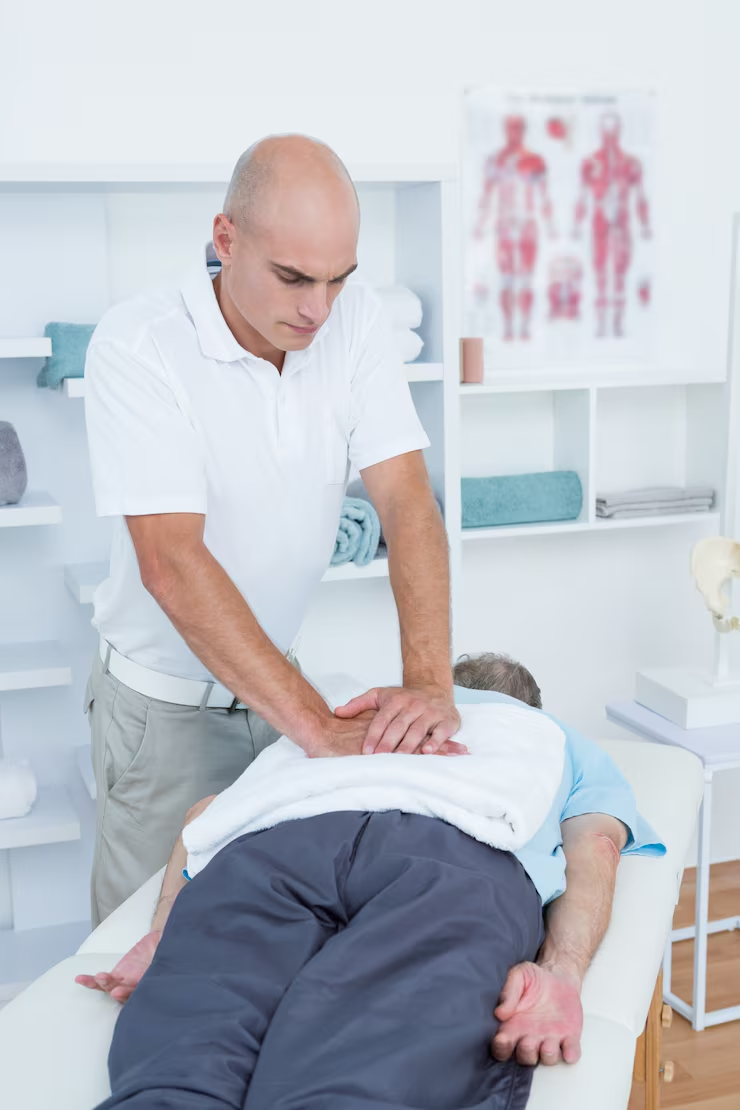
  • Soft tissue therapy and trigger point release to reduce localized tension

Lifestyle and Holistic Approaches

  • Hydration strategies tailored to activity levels and climate
  • Balanced nutrition rich in essential minerals and anti-inflammatory foods
  • Stress management and magnesium-based baths to promote systemic relaxation
  • Ergonomic adjustments to prevent repetitive strain and nerve compression

Muscle Spasms and Hormonal Health

Hormonal health plays a vital role in mineral balance and nerve signaling. Thyroid disorders, for example, can significantly increase muscle irritability and cramping. At Bio Research Partner, we incorporate hormonal and metabolic evaluation into every assessment to ensure comprehensive, personalized care that supports the whole body.

Take Control of Your Neuromuscular and Hormonal Health

Muscle spasms can be more than just a cramp—they are a call for balance. Early intervention and comprehensive care can help relax your muscles, manage pain, and improve your quality of life. Bio Research Partner provides integrated neurological, hormonal, and lifestyle-focused solutions to support patients at every stage of their wellness.

Call (305) 512-4411 or book your consultation online today to begin your path to a life free from involuntary pain.

You don’t have to struggle with muscle tension alone—together, we’ll help you regain control, comfort, and overall well-being.

Become a BioResearch Partner

Together, we can unlock the mysteries of long COVID and work toward a future where recovery is complete, and lasting health is within reach.