
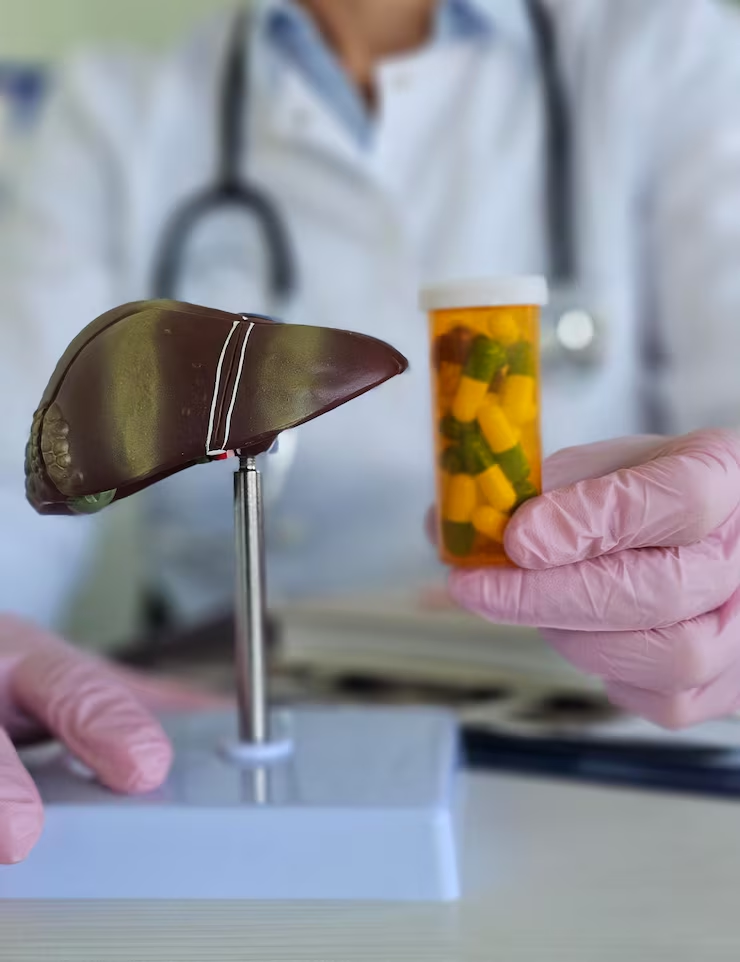
Liver Impairment

Liver Impairment: Understanding Cellular Stress, Functional Resilience, and Metabolic Preservation

Liver impairment occurs when the liver’s functional capacity is diminished, hindering its ability to filter toxins, process nutrients, and regulate systemic homeostasis. Unlike total liver failure, impairment represents a spectrum of dysfunction where the organ is struggling to keep pace with the body’s metabolic demands. At Bio Research Partner, we view liver impairment as a critical window for intervention. Our sophisticated, integrative approach focuses on identifying the biochemical markers of hepatic stress and implementing strategies to restore cellular resilience before damage becomes irreversible.

What is Liver Impairment?

Liver impairment is the clinical state in which liver cells (hepatocytes) are damaged or inflamed, leading to a measurable decline in the organ’s efficiency. While the liver is remarkably regenerative, chronic impairment can lead to the accumulation of scar tissue, eventually progressing toward cirrhosis. It is a condition of “functional insufficiency” where the liver can still perform its duties, but at a significantly reduced and often dangerous capacity.

Common Manifestations and Physiological Shifts Include:

  • Hepatic Steatosis: The buildup of excess fat within liver cells, which impairs cellular signaling and energy production.
  • Intrahepatic Cholestasis: A slowdown or blockage of bile flow, leading to the accumulation of bile acids that irritate liver tissue.
  • Oxidative Stress: An imbalance between free radicals and antioxidants, causing direct damage to hepatocyte membranes and DNA.
  • Portal Hypertension (Early Stage): Increased resistance to blood flow through the liver, which can lead to spleen enlargement and vascular strain.
  • Synthetic Dysfunction: A decreased ability to produce essential proteins like albumin, which are necessary for fluid balance and transport.

At Bio Research Partner, we evaluate liver impairment as a reversible metabolic disruption, focusing on reducing the “toxic load” and optimizing the cellular environment to promote endogenous repair.

Causes and Risk Factors

The modern environment presents a constant barrage of challenges to hepatic health. Liver impairment is rarely the result of a single factor, but rather a cumulative effect of various stressors.

Risk Factors Include:

  • Metabolic Syndrome: A combination of high blood pressure, elevated blood sugar, and abnormal cholesterol levels that triggers fatty liver disease (MASLD).
  • Environmental Toxin Exposure: Chronic contact with heavy metals, industrial chemicals, or pesticides that the liver must neutralize.
  • Chronic Medication Use: The long-term processing of NSAIDs, statins, or certain antibiotics that can strain enzymatic pathways.
  • Sub-clinical Viral Infections: Low-level chronic viral activity that keeps the liver in a persistent state of inflammation.
  • Nutritional Imbalances: Diets high in processed fructose and trans fats that bypass standard satiety signals and go directly to hepatic fat storage.
  • Alcohol-Induced Stress: Even “moderate” consumption can trigger enzymatic shifts that impair the liver’s ability to burn fat.

Our approach integrates deep-dive metabolic testing with an analysis of your environmental exposures to pinpoint the exact drivers of your hepatic impairment.
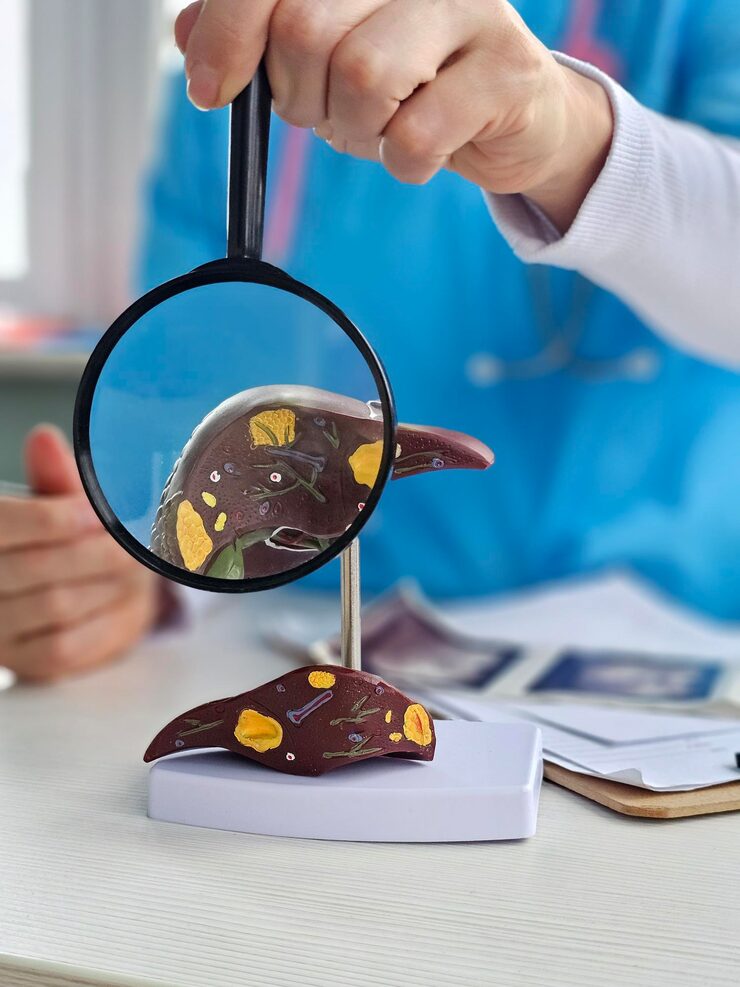
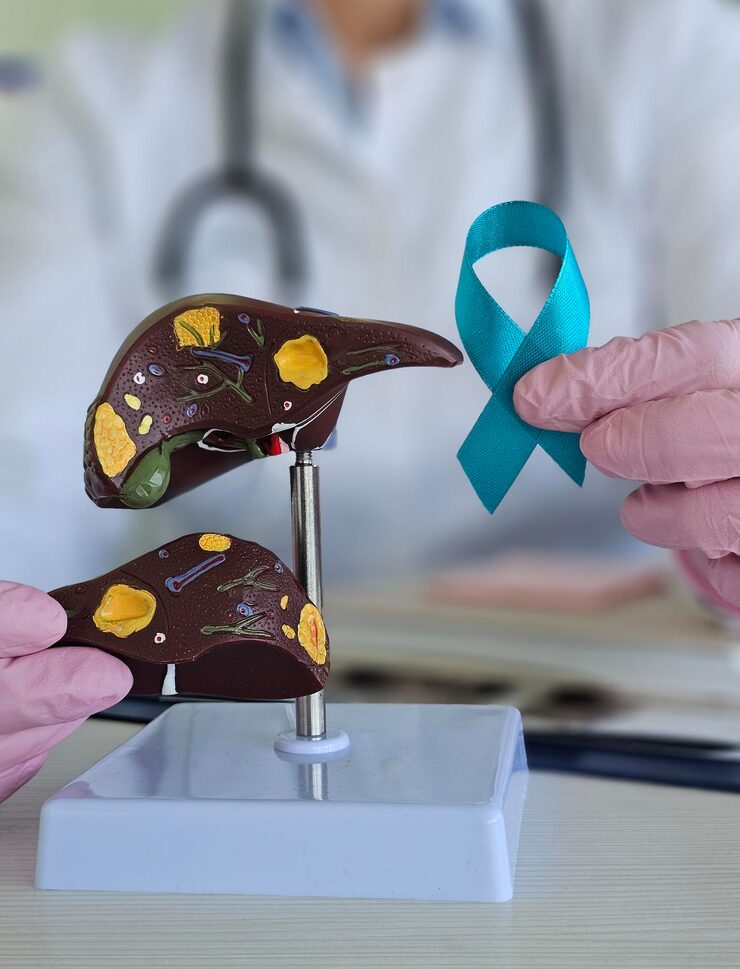
Symptoms of Liver Impairment

Symptoms of liver impairment are often subtle and can be easily mistaken for general aging or stress. Recognizing these “silent” warnings is key to early preservation. Common signs include:

  • Unexplained Fatigue: A persistent lack of energy, often worse in the afternoon, as the liver struggles with glucose regulation.
  • Digestive Irregularity: Bloating, intolerance to fatty foods, and occasional nausea.
  • Skin and Eye Changes: Itchy skin (pruritus) or a slight dulling of the eyes, indicating bile salt buildup.
  • Cognitive “Brain Fog”: Minor difficulty concentrating or mild memory lapses due to suboptimal toxin clearance.
  • Sensitivity to Chemicals: Noticing a decreased tolerance for alcohol, caffeine, or strong odors.
  • Darkened Urine or Pale Stools: Shifts in pigment processing that suggest a change in bile production or flow.

Early clinical evaluation is essential to halt the progression of these symptoms before they evolve into more severe jaundice or abdominal swelling.

Diagnosis and Testing

A traditional “liver panel” often fails to capture early-stage impairment. At Bio Research Partner, we utilize expanded diagnostic tools to view the liver’s performance in real-time.

Diagnostic Workup May Include:

  • Expanded Enzyme Analysis: Looking beyond ALT/AST to include GGT and alkaline phosphatase for a clearer picture of bile duct health.
  • FibroScan (Transient Elastography): A non-invasive technology that measures liver stiffness and fat content without the need for a biopsy.
  • Oxidative Stress Markers: Testing for levels of glutathione and other antioxidants to see how well your cells are fighting damage.
  • Metabolic Profiling: Evaluating insulin sensitivity and lipid particle size to understand the liver’s role in your systemic metabolism.

Toxicology Panels: Screening for heavy metals and persistent organic pollutants that may be stored in hepatic tissue.

How Liver Impairment Affects the Body

Because the liver sits at the center of your circulatory and metabolic systems, impairment has a “ripple effect” across all biological sectors:

  • Immune Dysregulation: The liver contains a large portion of the body’s immune cells; impairment can lead to increased systemic inflammation.
  • Hormonal Volatility: Inefficient clearance of hormones leads to “recycling” of estrogen and cortisol, causing mood swings and weight gain.
  • Cardiovascular Strain: Changes in how the liver processes fats can lead to plaque buildup and increased vascular resistance.

Neurological Irritation: Minor elevations in circulating waste products can affect neurotransmitter balance and sleep quality.

Treatment and Management

Our management strategy is built on the principle of “Bio-Resilience”—giving the liver the tools it needs to heal itself.

  1. Targeted Micronutrient Therapy
  • Utilizing precursors like N-acetylcysteine (NAC) and Alpha-Lipoic Acid to boost the liver’s primary antioxidant, glutathione.
  • Incorporating phosphatidylcholine to support the repair of damaged liver cell membranes.
  1. Metabolic and Toxicological Clearing
  • Structured protocols to eliminate environmental toxins through phase I and phase II detoxification support.
  • Strategic dietary interventions designed to “de-fat” the liver and restore insulin signaling.
  1. Integrative Lifestyle Support
  • Anti-inflammatory movement protocols that improve blood flow to the liver without causing excessive oxidative stress.
  • Circadian rhythm alignment to ensure the liver’s peak detoxification hours (typically during deep sleep) are optimized.

Liver Impairment and Hormonal Health

The liver is the primary “regulator” of your endocrine system. In a state of impairment, the liver fails to properly break down used hormones, leading to a state of “hormonal dominance.” This is particularly evident in estrogen metabolism, where impairment can lead to symptoms such as bloating, skin flare-ups, and stubborn abdominal fat. By restoring hepatic function, we effectively “re-tune” your hormonal signals, allowing for better thyroid performance and overall metabolic vigor. At Bio Research Partner, our protocols ensure that your liver and endocrine system are working in concert, not in conflict.

Take Control of Your Hepatic Health

Liver impairment is a manageable condition, but it requires a proactive, scientific approach. Whether you are seeing the first signs of metabolic stress or are managing a diagnosed fatty liver condition, Bio Research Partner provides the specialized, integrated expertise needed to reclaim your health.

Call (305) 512-4411 or book your consultation at bioresearchpartner.com today to learn about our integrated approach to liver health.

Invest in your liver’s resilience—it is the foundation of your body’s longevity and vitality.

Become a BioResearch Partner

Together, we can unlock the mysteries of long COVID and work toward a future where recovery is complete, and lasting health is within reach.