
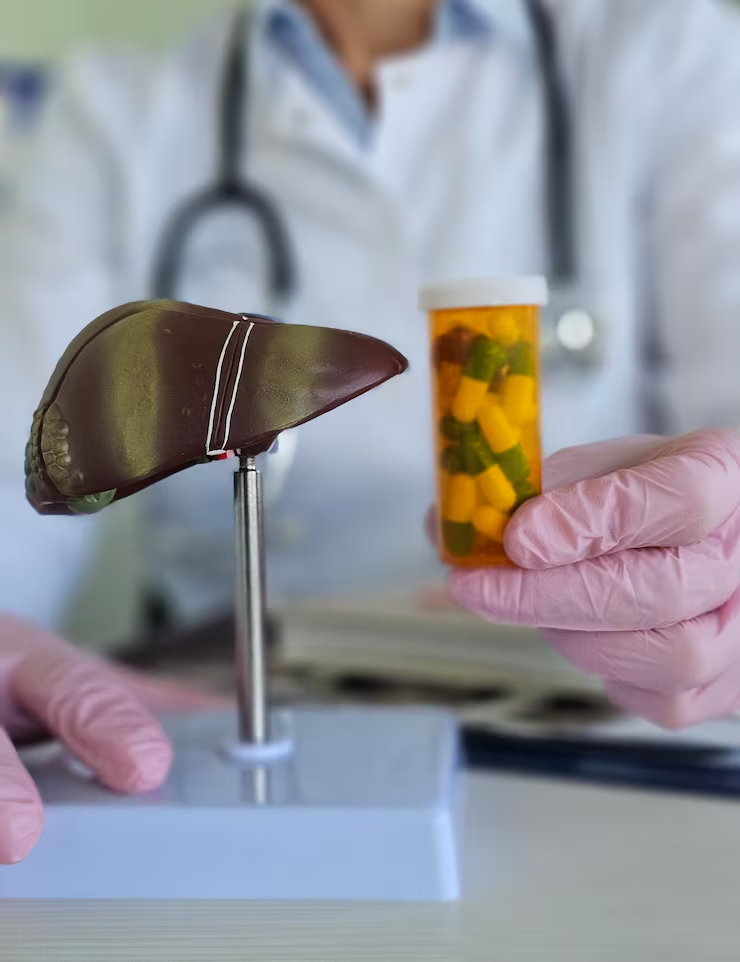
Liver Failure

Liver Failure: Understanding Detoxification, Metabolic Balance, and Systemic Recovery

Liver failure is a life-threatening condition where the liver loses its ability to perform its essential physiological functions, such as detoxification, protein synthesis, and metabolic regulation. Whether it occurs rapidly as Acute Liver Failure or develops over years as Chronic Liver Failure, the impact is systemic and profound. At Bio Research Partner, we understand that the liver is the body’s metabolic engine—and that supporting its recovery requires a sophisticated, integrative approach that addresses both the immediate crisis and the underlying biological environment.

What is Liver Failure?

Liver failure happens when large portions of the liver become damaged beyond repair and the organ can no longer satisfy the body’s needs. It is generally categorized into two forms: Acute Liver Failure (ALF), which can occur in a matter of days or weeks in a person with no prior disease, and Chronic Liver Failure, which is the end-stage result of progressive scarring (cirrhosis) over time.

Common Types and Complications Include:

  • Fulminant Hepatic Failure: Rapid loss of function often triggered by toxins, viral infections, or drug reactions.
  • Decompensated Cirrhosis: The point at which a chronically scarred liver can no longer compensate for the loss of healthy tissue.
  • Hepatic Encephalopathy: A decline in brain function due to the buildup of toxins, like ammonia, that the liver failed to remove.
  • Ascites: Severe abdominal swelling caused by fluid leaking from the surface of the liver and intestines.
  • Coagulopathy: A failure to produce clotting factors, leading to easy bruising and life-threatening internal bleeding.
  • Hepatorenal Syndrome: Secondary kidney failure triggered by the systemic changes associated with liver dysfunction.

At Bio Research Partner, we evaluate liver failure as a critical systemic event, focusing on stabilizing the patient while optimizing the metabolic pathways necessary for potential regeneration or transition to transplant.

Causes and Risk Factors

The liver is the body’s primary defense against toxins, but it is vulnerable to various chemical, viral, and lifestyle-related stressors.

Risk Factors Include:

  • Acetaminophen Overdose: The leading cause of acute liver failure, where excessive doses overwhelm the liver’s detoxification pathways.
  • Viral Hepatitis (A, B, and E): Infections that cause massive inflammation and rapid death of liver cells (hepatocytes).
  • Chronic Alcohol Consumption: Long-term abuse that leads to fatty liver, hepatitis, and eventually irreversible cirrhosis.
  • Metabolic Dysfunction (MASLD/NASH): Excess fat accumulation linked to obesity and diabetes that triggers chronic inflammation.
  • Autoimmune Hepatitis: A condition where the immune system mistakenly attacks liver tissue.
  • Herbal and Prescription Toxins: Certain supplements (like kava or ephedra) and medications that can cause idiosyncratic liver injury.

Our approach integrates toxicological assessment with metabolic evaluation to identify and remove the inciting cause of liver injury.

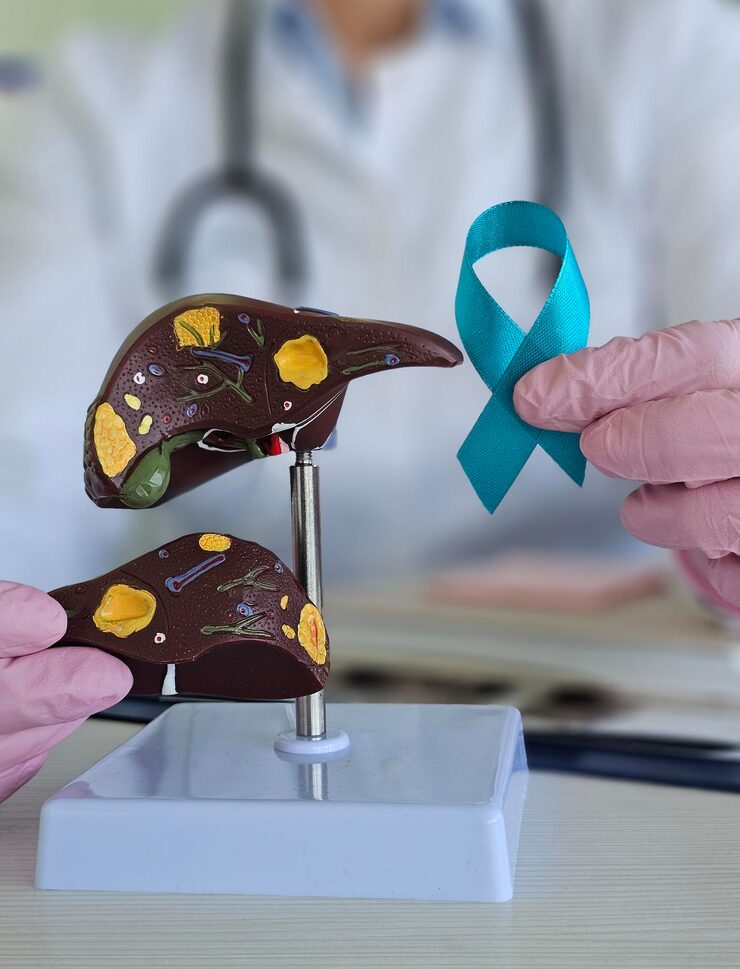
Symptoms of Liver Failure

Symptoms can escalate quickly in acute cases or emerge subtly in chronic conditions. Common warning signs include:

  • Yellowing of the skin and whites of the eyes (jaundice)
  • Pain or tenderness in the upper right abdomen
  • Significant abdominal swelling (ascites) and leg edema
  • Mental confusion, disorientation, or extreme sleepiness
  • Nausea, vomiting, and a general sense of feeling unwell (malaise)
  • Breath that has a musty or sweet odor (fetor hepaticus)
  • Vomiting blood or passing black, tarry stools, indicating internal bleeding

Immediate medical evaluation is vital to manage intracranial pressure and prevent multi-organ failure.

Diagnosis and Testing

Accurate diagnosis in liver failure requires a rapid and extensive assessment of the body’s internal chemistry. At Bio Research Partner, we combine traditional hepatology with advanced metabolic screening.

Diagnostic Workup May Include:

  • Liver Function Tests (LFTs): Measuring enzymes (ALT, AST) and bilirubin to assess the degree of active cell death.
  • Prothrombin Time (INR): Evaluating how quickly blood clots to determine the liver’s synthetic capacity.
  • Ammonia and Lactate Levels: Monitoring the buildup of toxic by-products that affect brain and systemic health.
  • Advanced Imaging: Ultrasound or CT scans to assess liver size, blood flow, and the presence of fluid or tumors.
  • Viral and Autoimmune Panels: Screening for the specific infectious or immune triggers of the failure.

Metabolic and Toxicological Screening: Identifying drug levels or metabolic disorders like Wilson’s disease.

How Liver Failure Affects the Body

Because the liver is central to metabolism, its failure triggers a cascade of events throughout the body:

  • Cerebral Edema: Fluid buildup in the brain that causes dangerous pressure and neurological impairment.
  • Immune Paralysis: A drastically increased risk of severe infections, such as pneumonia and sepsis.
  • Metabolic Derangement: Severe drops in blood sugar (hypoglycemia) and imbalances in electrolytes.
  • Vascular Collapse: Low blood pressure and “shock” as the body loses its ability to regulate fluid and vascular tone.

A comprehensive care plan ensures that management addresses these life-threatening complications while the liver attempts to heal.

Treatment and Management

The primary goals are to support the body’s vital functions and, where possible, promote liver regeneration. At Bio Research Partner, we provide specialized strategies for renal and metabolic support.

  1. Acute Stabilization and Detoxification
  • Administration of N-acetylcysteine (NAC) to replenish glutathione and detoxify specific drug insults.
  • Extracorporeal support, such as plasma exchange or hemoperfusion, to filter toxins from the blood.
  • Strict management of fluid and electrolyte balance to protect the brain and kidneys.
  1. Integrative and Supportive Care
  • Nutritional optimization focusing on glucose management and preventing muscle wasting.
  • Infection surveillance and proactive antimicrobial support to prevent sepsis.
  • “Bridge to Transplant” protocols for patients requiring surgical intervention.
  1. Long-Term Lifestyle and Regenerative Support
  • Personalized recovery plans for chronic cases focusing on anti-fibrotic strategies.
  • Hormone and metabolic balancing to improve the body’s natural tissue repair mechanisms.

Liver Failure and Hormonal Health

The liver is the primary site for the metabolism and clearance of most hormones. When it fails, the resulting “hormonal storm” can lead to significant issues, including insulin resistance (hepatogenic diabetes), thyroid dysfunction, and severe imbalances in estrogen and testosterone. These imbalances contribute to the muscle loss and fluid retention seen in end-stage disease. At Bio Research Partner, we incorporate endocrine monitoring into our liver care protocols to ensure your systemic signals are optimized for recovery.

Take Control of Your Hepatic Health

Liver failure is a critical health crisis that requires expert, integrated care. Whether you are managing the early stages of liver disease or seeking advanced supportive strategies, Bio Research Partner provides the multidisciplinary expertise needed to support your journey. Early intervention can be the difference between recovery and permanent damage.

Call (305) 512-4411 or book your consultation at bioresearchpartner.com today to learn about our integrated approach to liver health.

You don’t have to face this challenge alone—together, we can work to support your liver’s resilience and your body’s overall well-being.

Become a BioResearch Partner

Together, we can unlock the mysteries of long COVID and work toward a future where recovery is complete, and lasting health is within reach.